
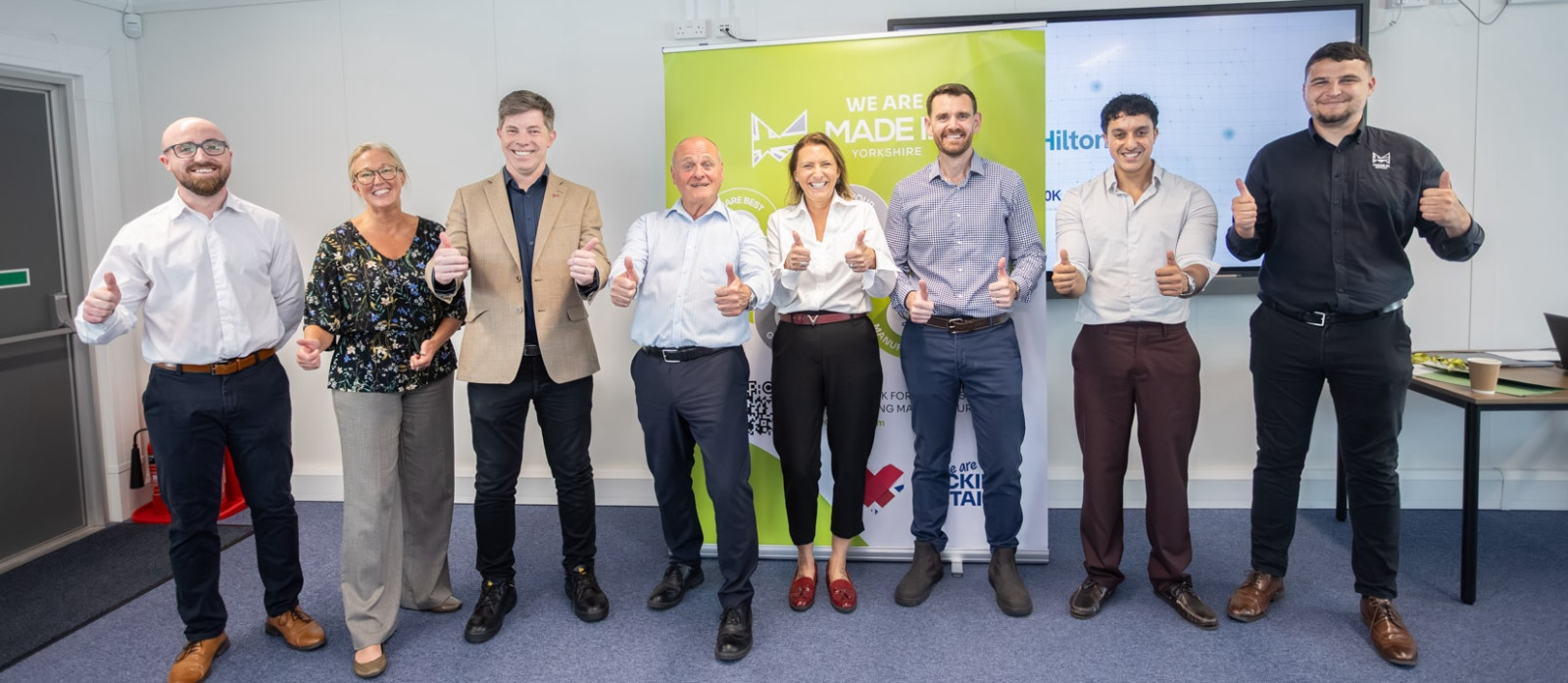
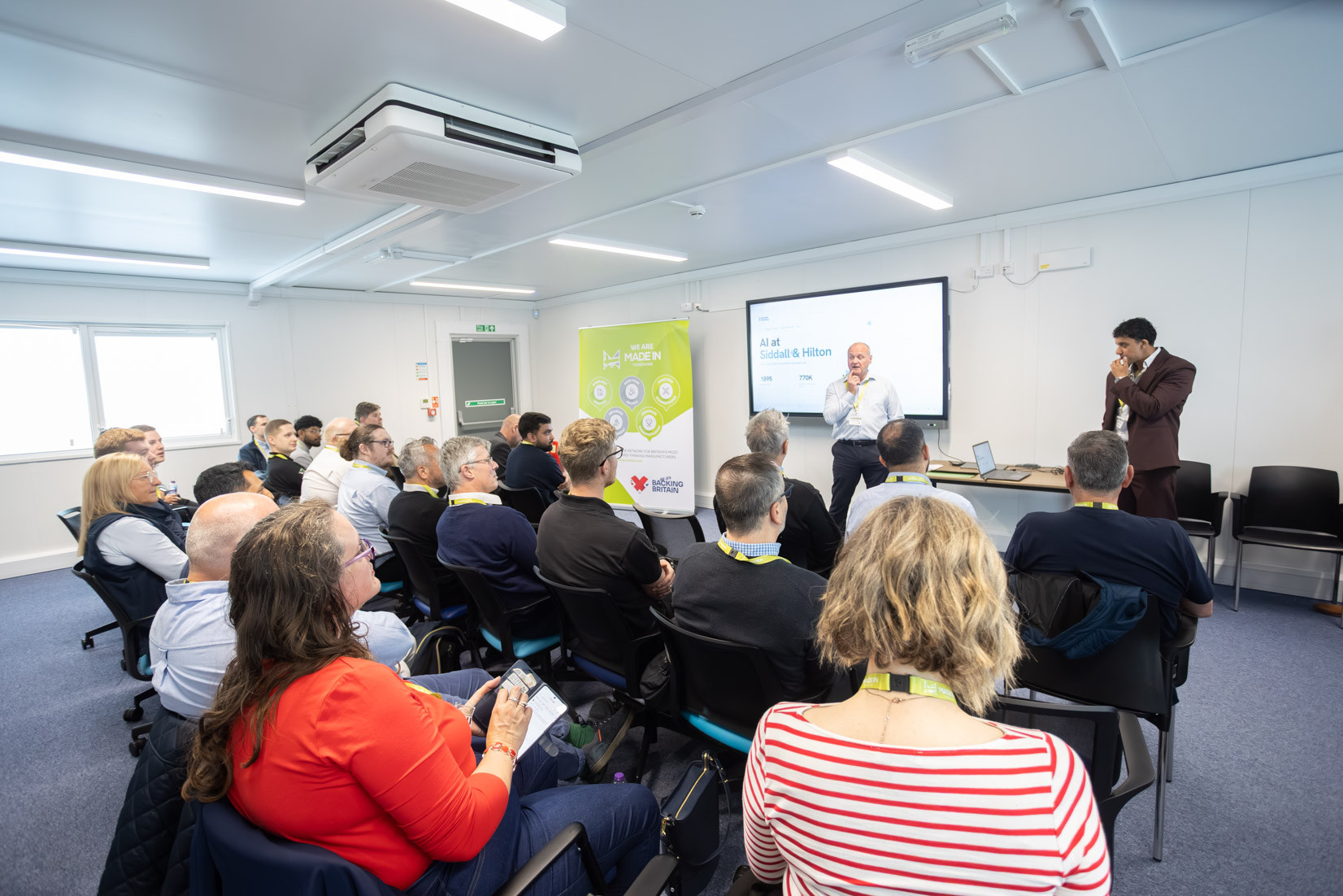
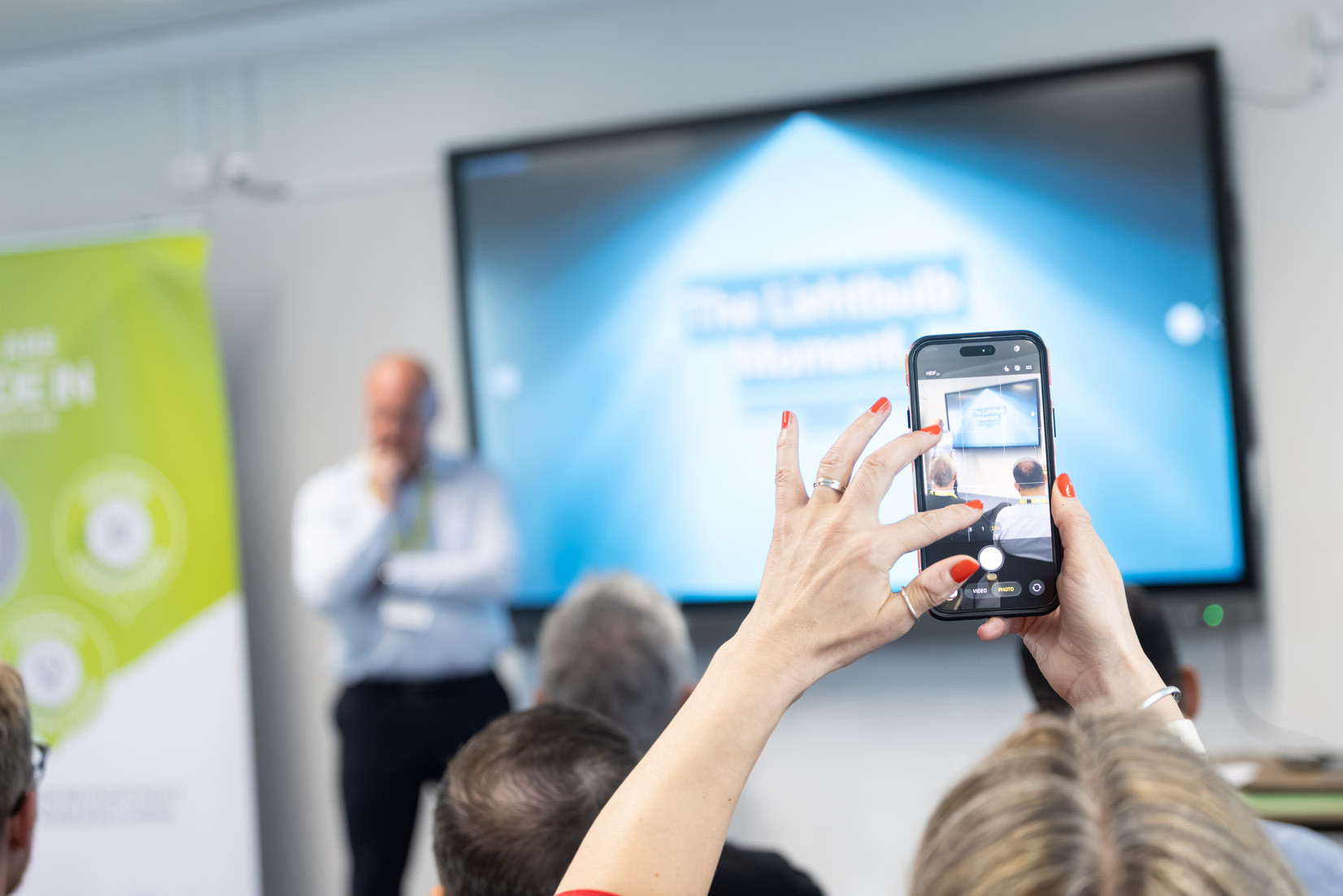
Manufacturers from across the Made in Yorkshire and Made in the Midlands networks gathered at Siddall & Hilton's Brighouse facility for a factory tour focused on one of the biggest topics facing industry today: artificial intelligence.
With AI dominating conversations across industry, attendees were eager to move beyond the headlines and see what real-world adoption actually looks like inside a manufacturing business. Siddall & Hilton delivered exactly that, providing an honest and practical insight into how artificial intelligence is being embedded across operations, engineering, commercial functions and leadership decision-making.
As the UK's leading manufacturer of welded mesh high-security fencing systems, Siddall & Hilton's products can be found protecting critical infrastructure, airports, prisons, data centres, industrial facilities and defence applications across the UK and beyond.
Manufacturing approximately 770,000 panels annually and processing enough wire each year to wrap around the world three times, the business operates in a highly competitive market where quality, service and operational efficiency are critical differentiators.
A Business Built on Innovation
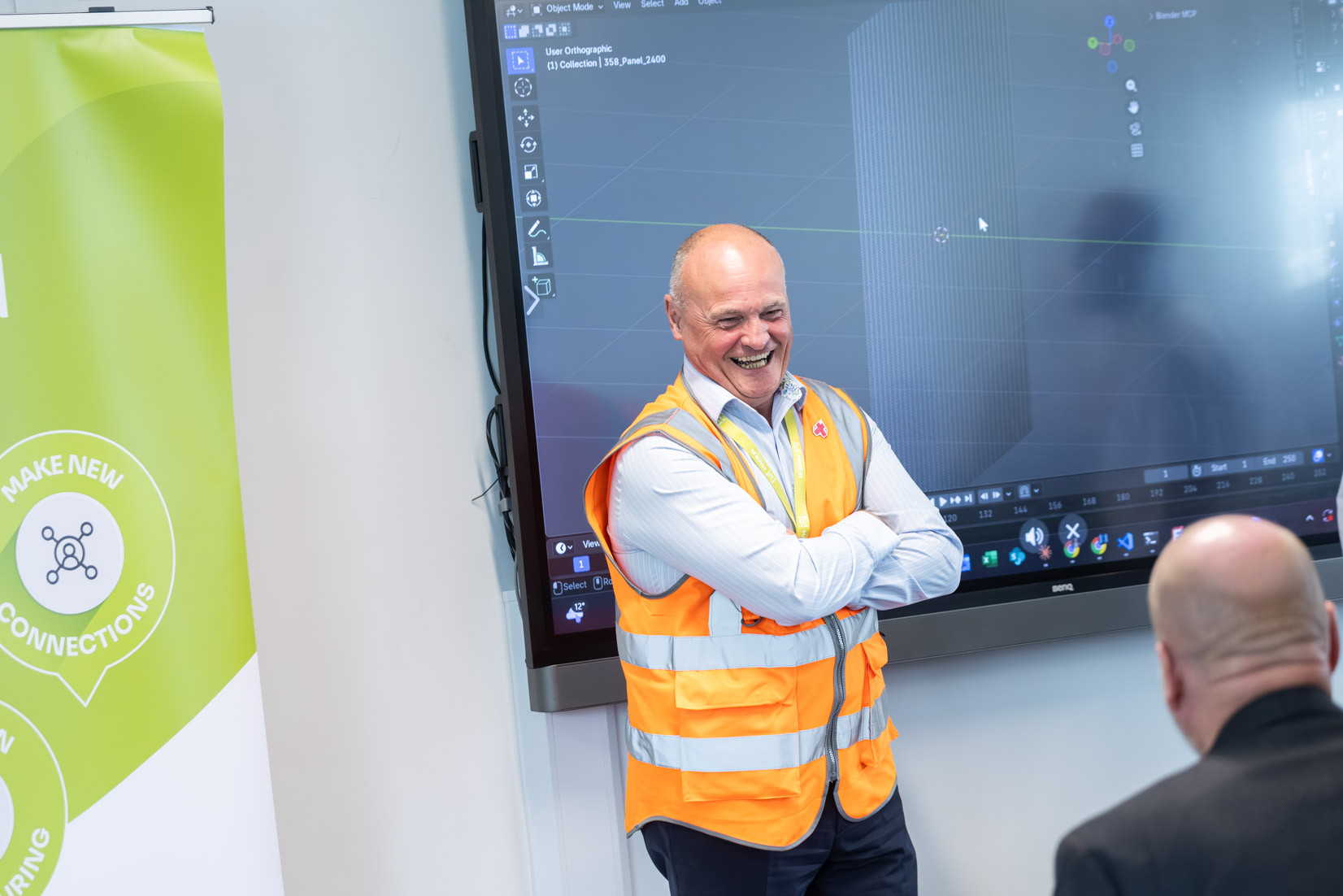
The morning began with a welcome from Managing Director Andy Dawson, who shared the company's history and the innovative spirit that has shaped Siddall & Hilton since its foundation in 1895.
Andy explained that while the business has always embraced engineering innovation, its recent AI journey began with a simple question: where does this technology fit within a traditional manufacturing business?
Like many manufacturers, the leadership team recognised the growing conversation around AI but initially struggled to see how it could deliver tangible value. That changed when it became clear that employees were already beginning to use AI tools independently, creating both opportunity and risk.
What followed was not a large-scale digital transformation project, but a commitment to experimentation, learning and continuous improvement.
Today, Andy's perspective has shifted dramatically.
"Eighteen months ago, I couldn't see where it fitted. Today, I can't see the end of it."
Putting People First
One of the strongest messages from the day came from Sustainability Director Sally Brady, who spoke openly about the cultural considerations surrounding AI adoption.
Rather than leading with technology, Siddall & Hilton adopted a simple philosophy: People First, AI Second.
Recognising the natural concerns around job security, changing responsibilities and digital confidence, the business focused heavily on communication, transparency and education.
Employees were encouraged to experiment, learn and explore opportunities for AI to support their work, rather than replace it.
Sally shared how this approach has helped create a culture of curiosity and continuous learning, with AI now being used across multiple departments to remove repetitive tasks, improve access to information and enable people to focus on higher-value activities.
Importantly, Siddall & Hilton's experience has shown that roles are not disappearing; they are evolving.
From HR and sustainability reporting to health and safety, engineering and operations, employees are increasingly using AI to enhance decision-making, improve efficiency and accelerate learning.
From Curiosity to Capability
Head of Marketing & AI, Omar Haider, provided attendees with a fascinating look into the practical applications being developed throughout the business.
Rather than relying on expensive off-the-shelf software, Siddall & Hilton have focused on building bespoke tools tailored to their exact requirements.
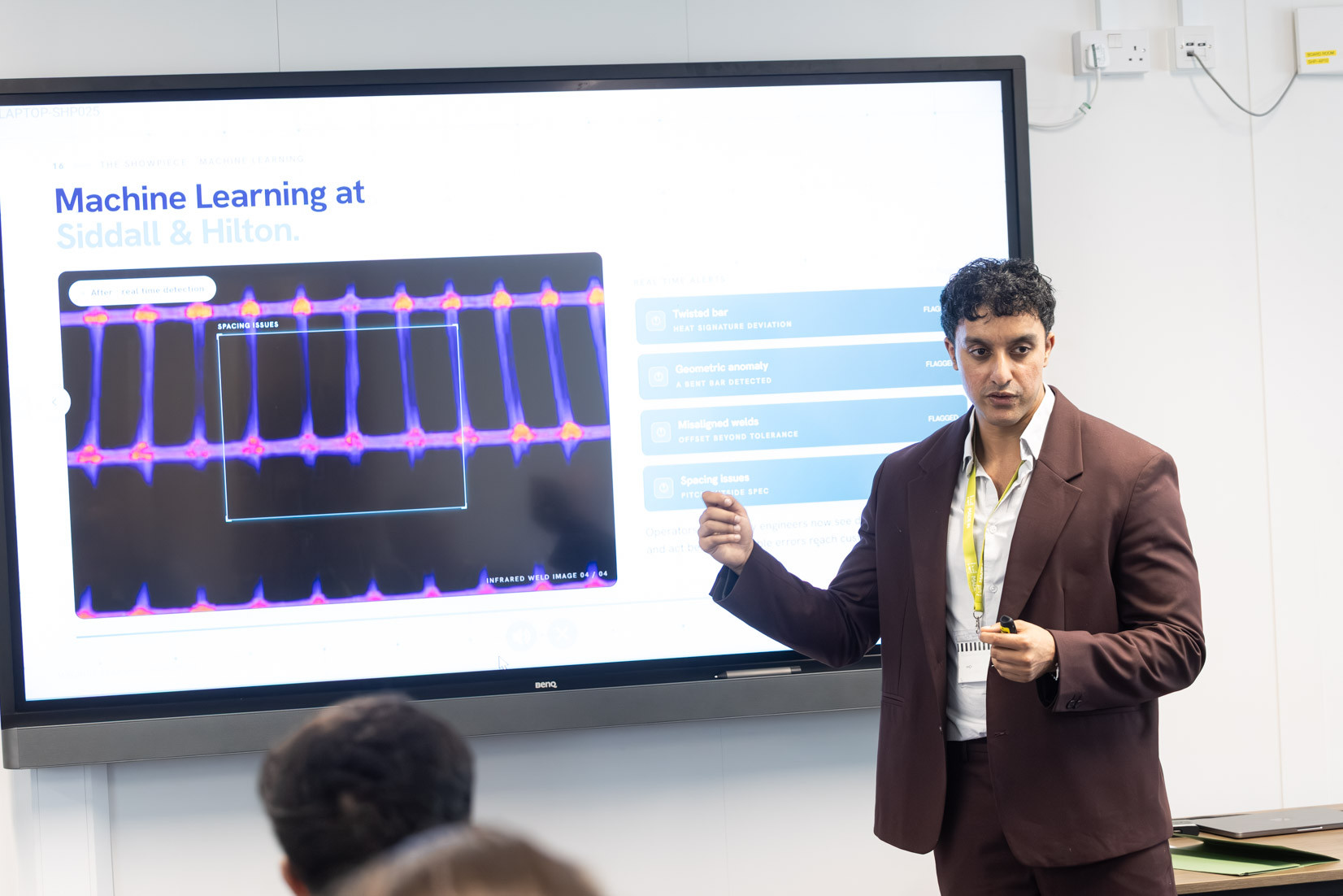
Attendees were shown examples of AI-powered systems that are already delivering value, including:
-
Real-time production monitoring and machine performance analysis
-
Automated reporting and operational dashboards
-
Sales and commercial intelligence tools
-
Internal knowledge management systems
-
Load planning software
-
Engineering applications capable of converting hand-drawn sketches into CAD-ready models in seconds
One particularly impressive demonstration showed how a sketch that would traditionally take days to progress through the engineering process could be converted into a usable CAD model in seconds.
The common theme throughout was not efficiency for efficiency's sake, but capability.
By developing tools internally, the business has been able to create solutions that are highly specific to its operational challenges while retaining complete flexibility to adapt and improve them over time.
Using Data to Drive Better Decisions
Another recurring theme throughout the presentations was the growing importance of data.
Siddall & Hilton have developed systems that allow them to monitor machine performance, production output and operational efficiency in real time.
Rather than waiting until the end of the month to review performance, teams can identify issues as they emerge, respond more quickly and make better-informed decisions.
The business is now exploring how AI can support predictive maintenance, automated quality control and enhanced traceability throughout the manufacturing process.
For a company operating in critical infrastructure sectors where quality is paramount, the potential impact is significant.
Seeing Where the Magic Happens
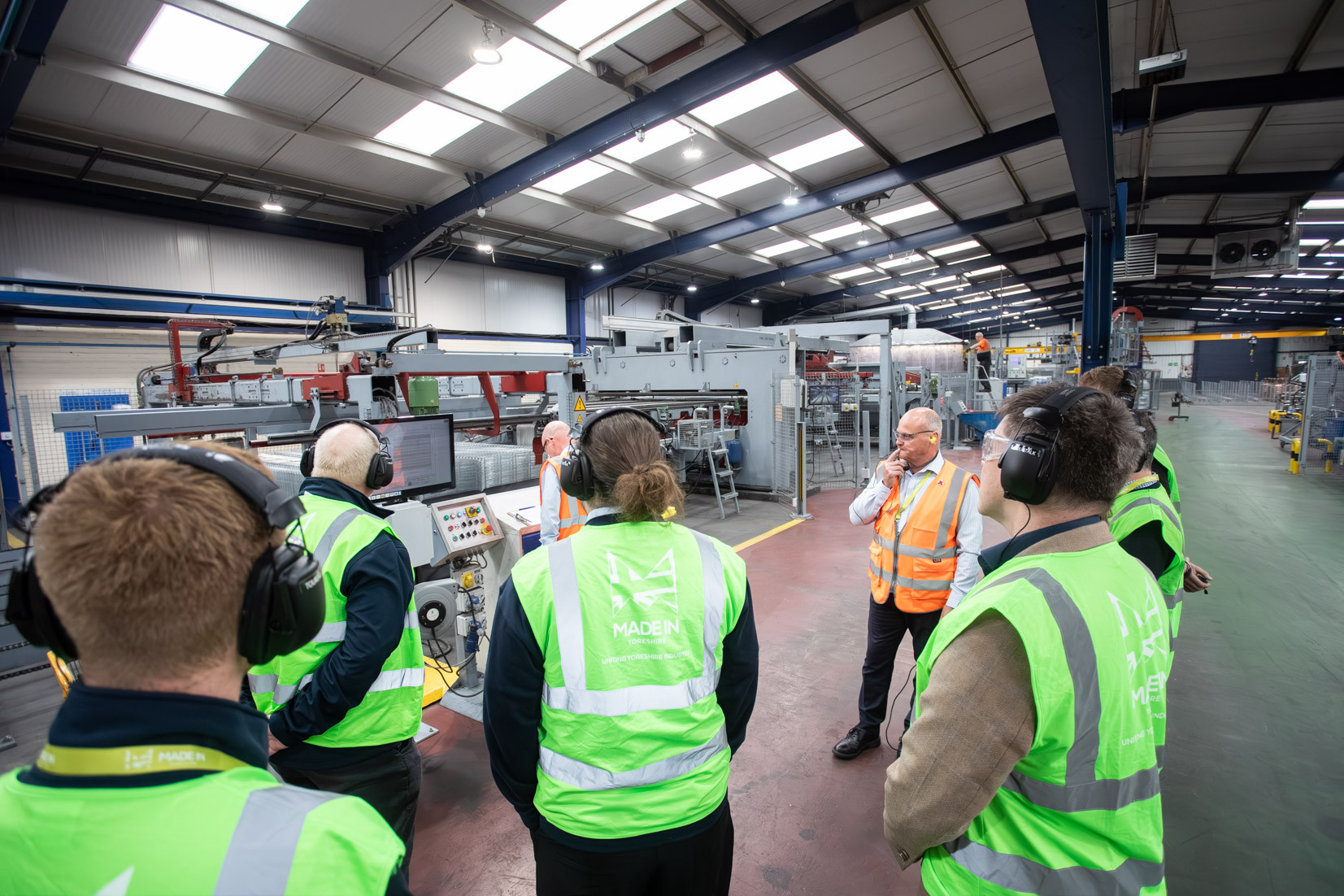
Following the presentations, attendees split into smaller groups for guided tours of the facility led by Andy Dawson, Commercial Director Darren Kelly and Key Account Manager Charlotte Peterson.
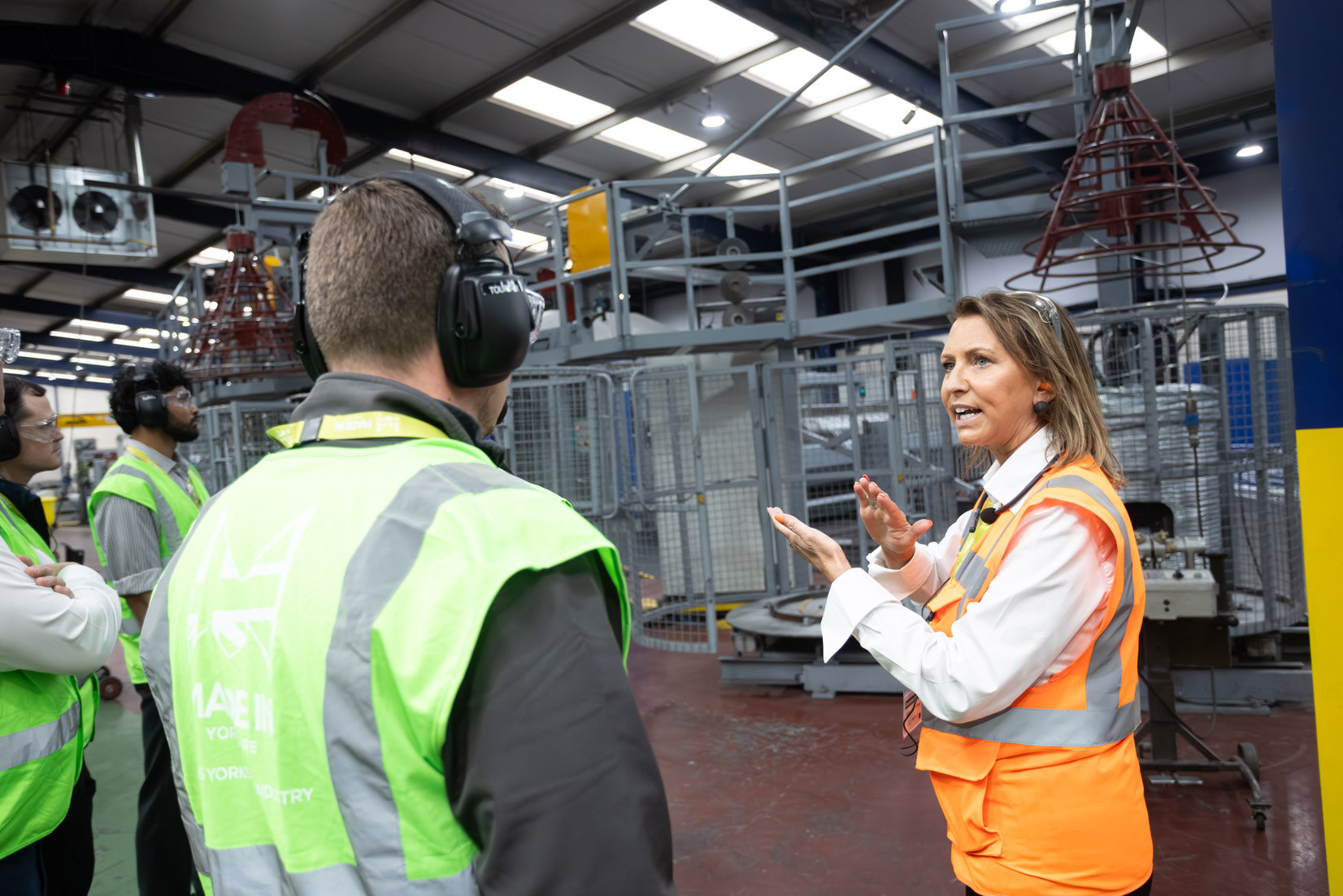
Guests were given the opportunity to see first-hand how Siddall & Hilton's investment strategy extends far beyond AI. Throughout the tour, attendees explored a manufacturing operation that has been steadily transformed through investment in automation, facilities and continuous improvement.
A key talking point was the company's investment in automation, including robotic handling and packaging systems developed in partnership with fellow Yorkshire manufacturer AIR Wakefield (formerly Sewtec Automation). Combined with the latest generation of welding technology and AI-enabled production monitoring systems, these investments have helped create a lean, responsive operation capable of delivering the quality and service levels required across critical infrastructure sectors.
The tour also highlighted Siddall & Hilton's commitment to investing in its people. Guests were shown the company's purpose-built welfare hub and canteen facilities, designed to create a modern and collaborative environment for employees. It was a fitting reflection of the culture discussed throughout the morning, where investment in people sits alongside investment in technology.
Along the way, discussions focused on operational efficiency, quality control, machine utilisation and how real-time data is supporting faster, better-informed decision-making across the business.
Sharing Best Practice
As with all Made in Yorkshire factory tours, the event provided far more than a look behind the scenes.
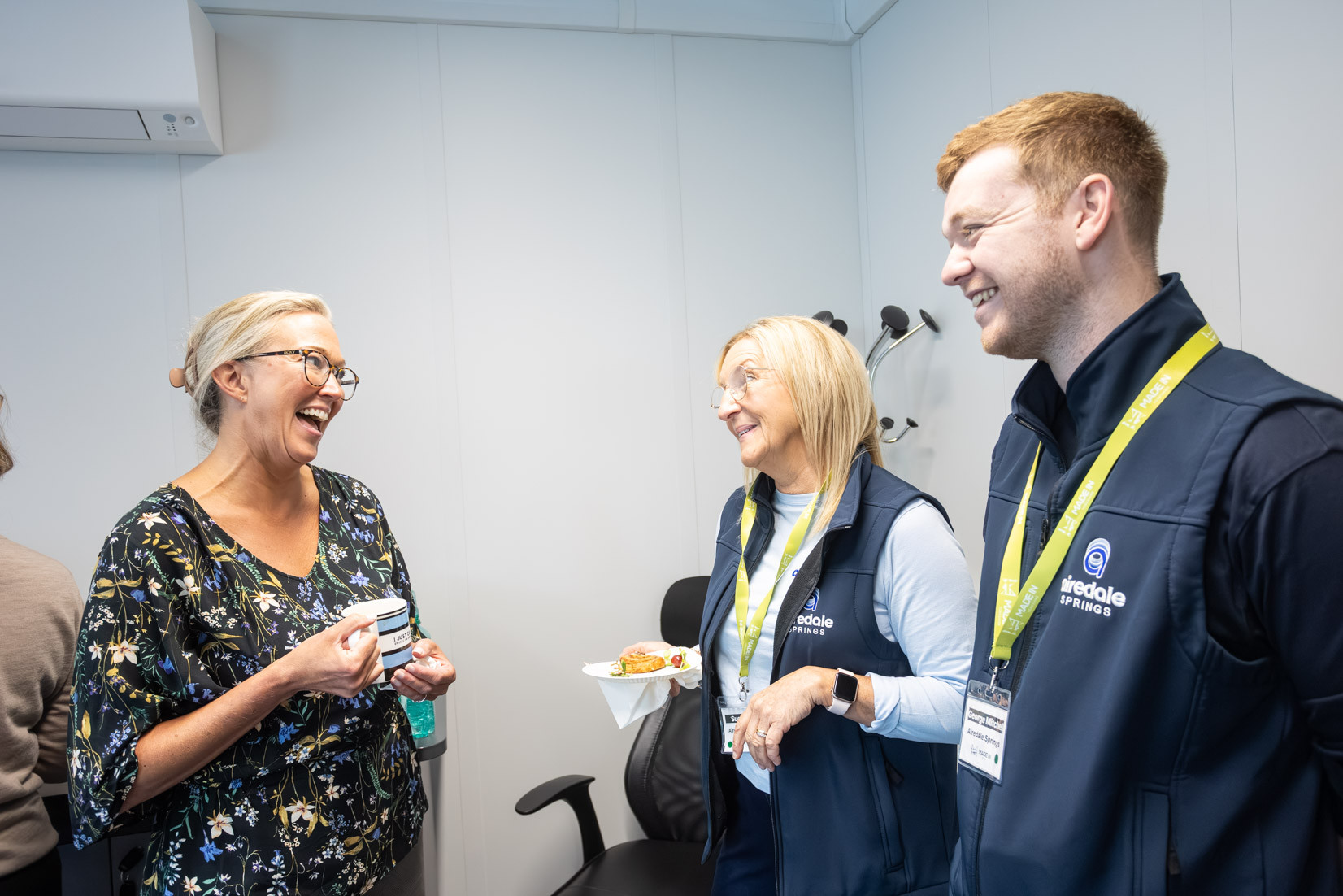
It created an opportunity for manufacturers to ask questions, challenge assumptions and openly share experiences with peers facing many of the same challenges.
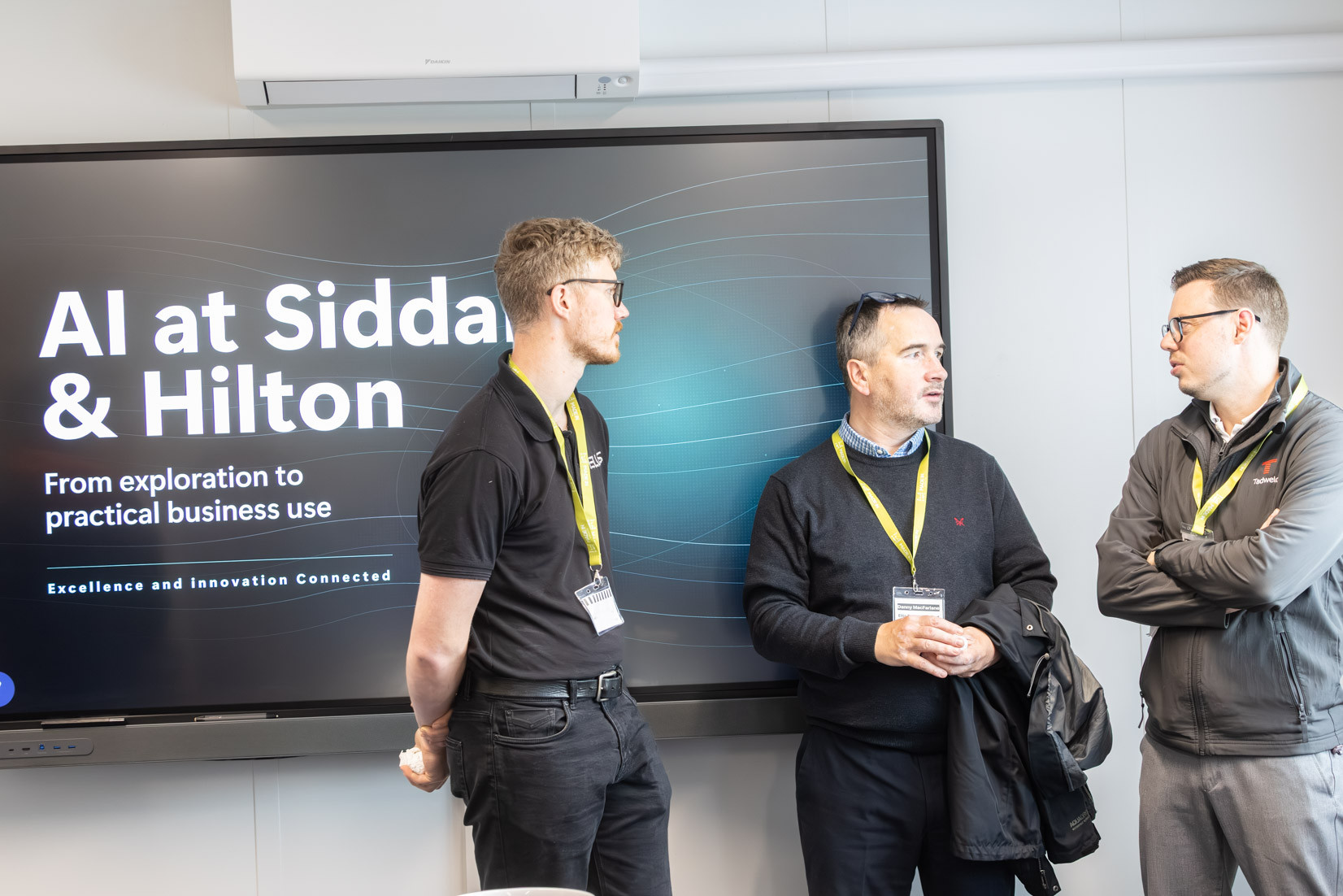
The level of engagement throughout the morning reflected the growing interest in AI across the manufacturing sector, but also the desire for practical examples that can be applied within real businesses.
Siddall & Hilton provided exactly that.
Rather than presenting a finished destination, they shared an ongoing journey; one built on experimentation, learning and a willingness to embrace change.
A Huge Thank You
A huge thank you goes to Andy Dawson, Sally Brady, Omar Haider, Darren Kelly and Charlotte Peterson for their openness, honesty and willingness to share their experiences.
Their insights offered attendees a rare opportunity to see how a traditional manufacturing business is successfully harnessing AI to improve decision-making, strengthen competitiveness and create new opportunities for growth.
We would also like to thank everyone who attended and contributed to the discussions throughout the morning.
The future of manufacturing will undoubtedly involve AI in some form. Events like this help ensure manufacturers can learn from one another and navigate that future together.